For five years the honest answer to "when can I buy a Tesla robot?" was "nobody knows". After Tesla's third-quarter results on October 21, there is finally a more concrete answer, and it is: not in 2026, probably not as a household buyer in 2027, but the robots are now coming off a real production line.
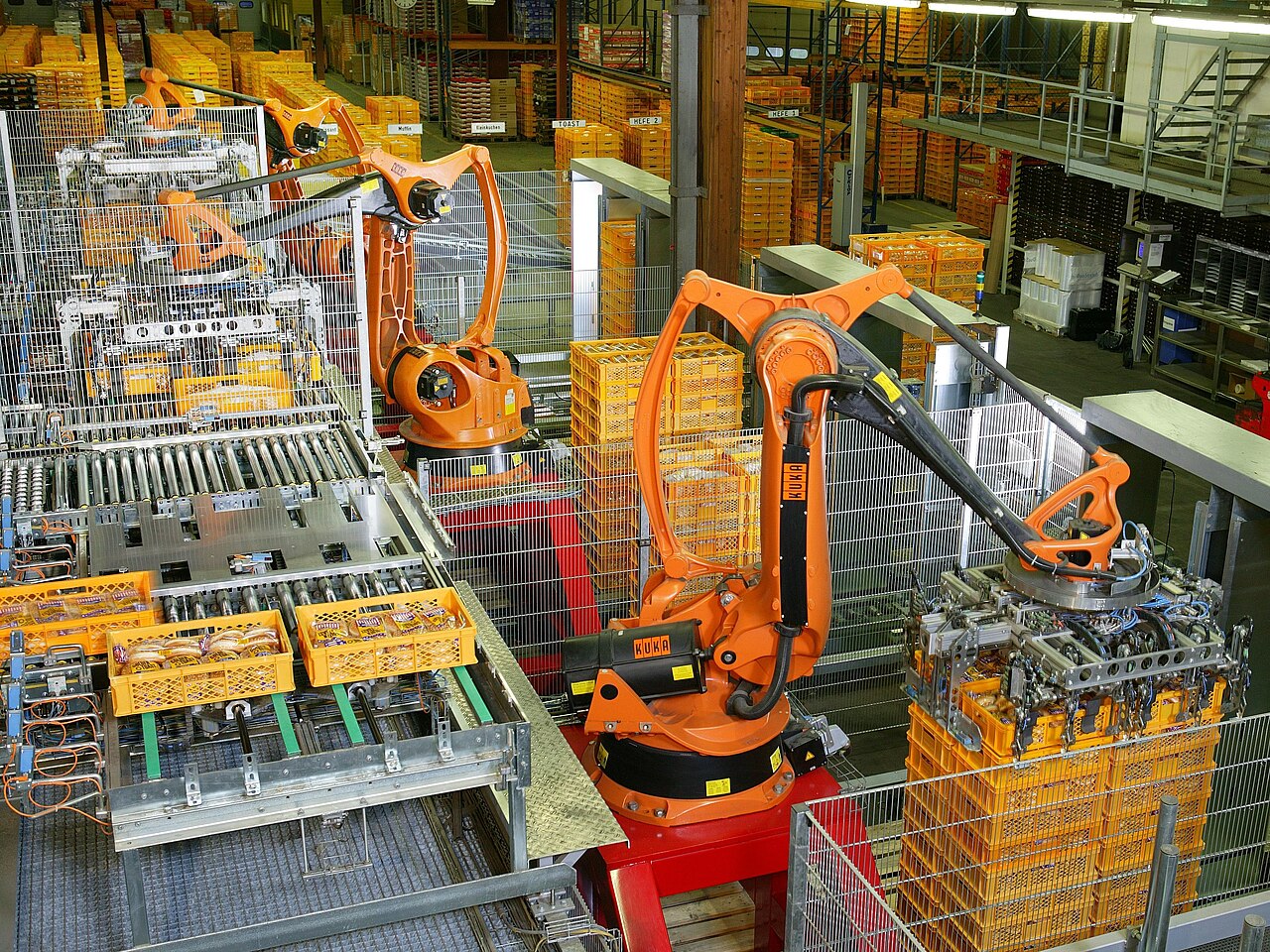
Tesla's quarterly report says it in one line: "Optimus production began in Fremont on our high-volume lines." The company calls these "the first production-quality bots that we have manufactured" and says it has proven that its manufacturing process "is suitable for a commercial product".
On the call, Elon Musk added the numbers people were waiting for. The line is designed for 20,000 robots a week, he expects to reach that rate around the end of 2027, and the first deliveries to outside companies should come around the same time. He also called the current output "early production", warned that the ramp will be "somewhat bumpy", and gave no price.
Yesterday I set out the five questions to ask on this call. Here is how Tesla answered them, and what it means for you.
The five questions, answered
| Question before the call | What Tesla said |
|---|---|
| Has the Fremont line started producing robots? | Yes. Production began on high-volume lines; status listed as "Early Ramp" in California, "Construction" in Texas |
| When is the reveal? | No formal reveal date. Musk said a demo video could come in about a month |
| Any price? | No. No price, no order page |
| Who are the first customers? | Outside companies, around the end of 2027, first for industrial, repetitive and dangerous work |
| How much money is going in? | R&D up sharply; 2026 capital spending plan cut to $20 billion from $25 billion, with bigger spending promised for 2027 and 2028 |
The biggest change is the first line. Until this report, Optimus production was a plan. Now Tesla is putting its name in a quarterly filing to the claim that production-quality robots are being made. That is a real step, and the most concrete one in the programme's history.
What Musk said, and what he did not
Musk was unusually careful on this call. Three of his points matter for anyone hoping to buy one.
The design is not finished. He said there are "still some things we need to tweak about the design", and that the robot has to be safe, reliable and durable enough not to wear out after a month.
The AI is not finished either. He said there is "quite a lot of work to do" on the AI before Optimus is truly useful for open-ended tasks. In other words, a robot that can do one job well in a factory comes long before a robot that can do anything in your kitchen.
The volume is a design target. 20,000 a week is roughly a million robots a year. Musk said reaching that rate would take at least a year, possibly longer. On the past record, I would treat the end-2027 date as an aim rather than a promise, which is how I treated the earlier targets in Figure vs Tesla Optimus.
What he did not say is just as telling: no price, no list of named customers, no consumer timeline.
So when can you buy one?
Putting together what Tesla said:
| Who | Realistic timing |
| Tesla's own factories | now, in early production |
| Outside businesses, for factory and repetitive work | around the end of 2027, by Musk's estimate |
| Households | no date; after the robot can handle open-ended tasks safely, which Musk says still needs significant AI work |
For an ordinary household, that means a Tesla robot is a 2028-or-later question at the earliest. If you want a home humanoid sooner, the one on sale today is the 1X Neo at $20,000 or $499 a month, with the caveat that early units lean on remote human operators for harder tasks.
And the price? Musk's long-running target is $20,000 to $30,000 at full scale. Spread over five years, that is roughly $333 to $500 a month before repairs and software. The full comparison with the robots you can buy is in what a humanoid robot really costs.
The rest of the report: the money behind the robot
Optimus is being built by a company whose car business is under pressure, and the numbers show it.
| Tesla, third quarter 2026 | Figure | Change from a year ago |
| Revenue | $28.05 billion | flat |
| GAAP net income | $787 million | down 43% |
| Operating margin | 2.6% | down from 5.8% |
| Gross margin | 19.6% | up from 18.0% |
| Operating expenses | $4.78 billion | up 39% |
| Adjusted earnings per share | $0.48 | beat the ~$0.45 analysts expected |
| Capital spending in the quarter | $4.73 billion | more than doubled |
| Free cash flow | $1.53 billion | down 62% |
| Cash and investments | $45.4 billion | up 9% |
| Vehicle deliveries | 486,532 | down 2% |
| Active FSD subscriptions | 1.74 million | up 67% |
Two things stand out. First, the cost of the future is visible: operating expenses up 39%, driven by spending on AI, robots and the Cybercab, pushed operating profit down by more than half. Second, Tesla is finding new revenue outside car sales. Paid FSD subscriptions jumped 67% to 1.74 million, and over 75% of new cars delivered in North America now come with it. Robotaxi rides in Cybercabs started in Austin on September 3, with nearly 2 million cumulative unsupervised miles by the end of the quarter.
The spending plan moved in an interesting direction. On the call, Tesla cut its 2026 capital spending plan to about $20 billion from more than $25 billion, to be funded mainly from operating cash. Musk said spending would become "more meaningful" next year and reach "the tens of billions" in 2028. So the big bill for robots, chips and AI is postponed, not cancelled.
And the merger?
On Tuesday Musk confirmed that Tesla's and SpaceX's boards have set up special committees to study a merger. On Wednesday's call he declined to add anything, saying he had already said what needed to be said. That is consistent with his earlier view that a deal should not be discussed on an earnings call. What a merger would mean for shareholders is in the Tesla and SpaceX merger explained.
What this means for you
If you want a robot at home, nothing in this report changes your plans for the next two years. Tesla is selling to factories first. If you want one sooner, compare the options on sale now; if you can wait, waiting is cheaper.
If you own Tesla shares or an index fund that holds them, this was a mixed quarter. Robots moved from plan to production, software income grew fast and cash flow stayed positive. Against that, profit fell sharply, and the expensive part of the AI and robot plan is still ahead in 2027 and 2028. Whether that balance suits you is a question about your own situation, and a licensed adviser is the right person to ask.
If you want to earn money from robots now, the opportunity is still around robots rather than owning a Tesla one. The industry needs human demonstrations and operators, which I covered in getting paid to train robots, and Musk's own timeline says that need will last at least until robots can handle open-ended tasks.
The honest take
This is the first Tesla report in which Optimus is a product being manufactured rather than a slide. That deserves to be said plainly. The language in the filing is careful and concrete, and the robots are real.
But the call also showed how far there is to go. The design still needs changes, the AI needs a lot more work, the price is unknown and the first outside customers are a year away. Tesla has, in effect, moved the question from "will they ever make it?" to "how fast can they make it useful?". For a household buyer, the answer to that second question is still measured in years.
So the practical question has changed too: not "when will Tesla sell me a robot?", but "which jobs will robots like this take on first, and is mine one of them?"
Frequently asked questions
Has Tesla started producing Optimus?
Yes. Tesla's third-quarter 2026 report says Optimus production began on high-volume lines in Fremont, California, and describes the robots as its first production-quality units. Musk called it early production.
When can I buy Tesla Optimus?
Musk said first deliveries to outside companies should come around the end of 2027, initially for industrial and repetitive work. There is no date or price for household buyers.
How many Optimus robots will Tesla make?
Musk said the Fremont line is designed for 20,000 robots a week and that Tesla expects to reach that rate around the end of 2027, adding it would take at least a year.
How much will Optimus cost?
Tesla has not announced a price. Musk's long-term target at full scale is about $20,000 to $30,000.
What were Tesla's Q3 2026 results?
Revenue of $28.05 billion, flat on a year earlier; GAAP net income of $787 million, down 43%; adjusted earnings of $0.48 a share; free cash flow of $1.53 billion; and 1.74 million active FSD subscriptions, up 67%.
Did Tesla change its spending plans?
Yes. Tesla cut its 2026 capital spending plan to about $20 billion from more than $25 billion, while saying spending would rise in 2027 and reach tens of billions in 2028.
Sources: Tesla Q3 2026 Update; Tesla 8-K, Q3 2026; TechCrunch: Tesla starts Optimus robot production as profit falls 43%; Yahoo Finance: Tesla Q3 earnings beat, positive free cash flow and lower capex; Interesting Engineering: Optimus enters production, 20,000 a week target; Electrek: Tesla Q3 2026 financial results.